Take action
Email the Coca-Cola CEO to let them know you will boycott all their products until the Coca-Cola company fully withdraws its complicity and defient operation in the illegal Israeli settlement of Atarot, on stolen Palestinian land.
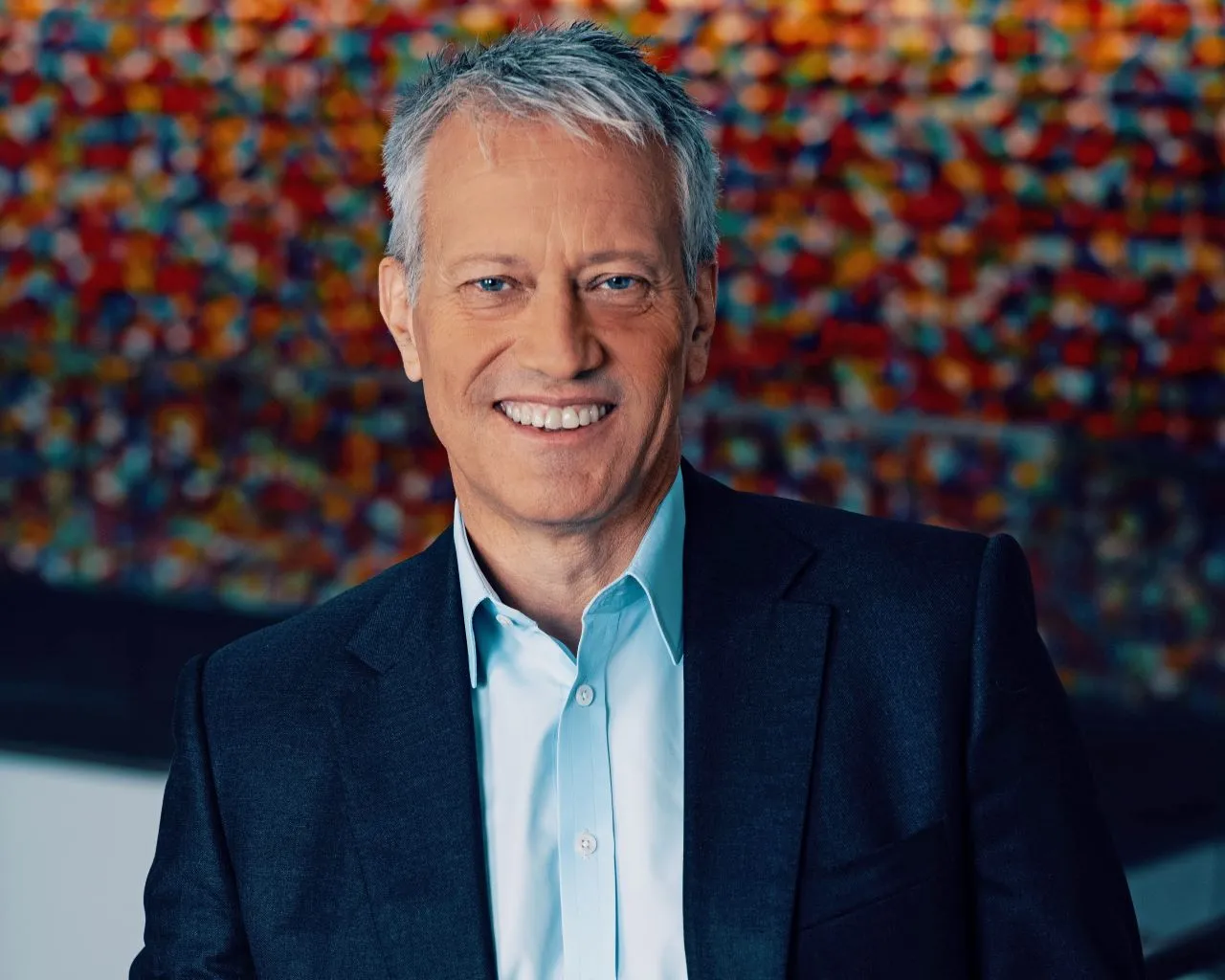
James Quincey
Coca-Cola
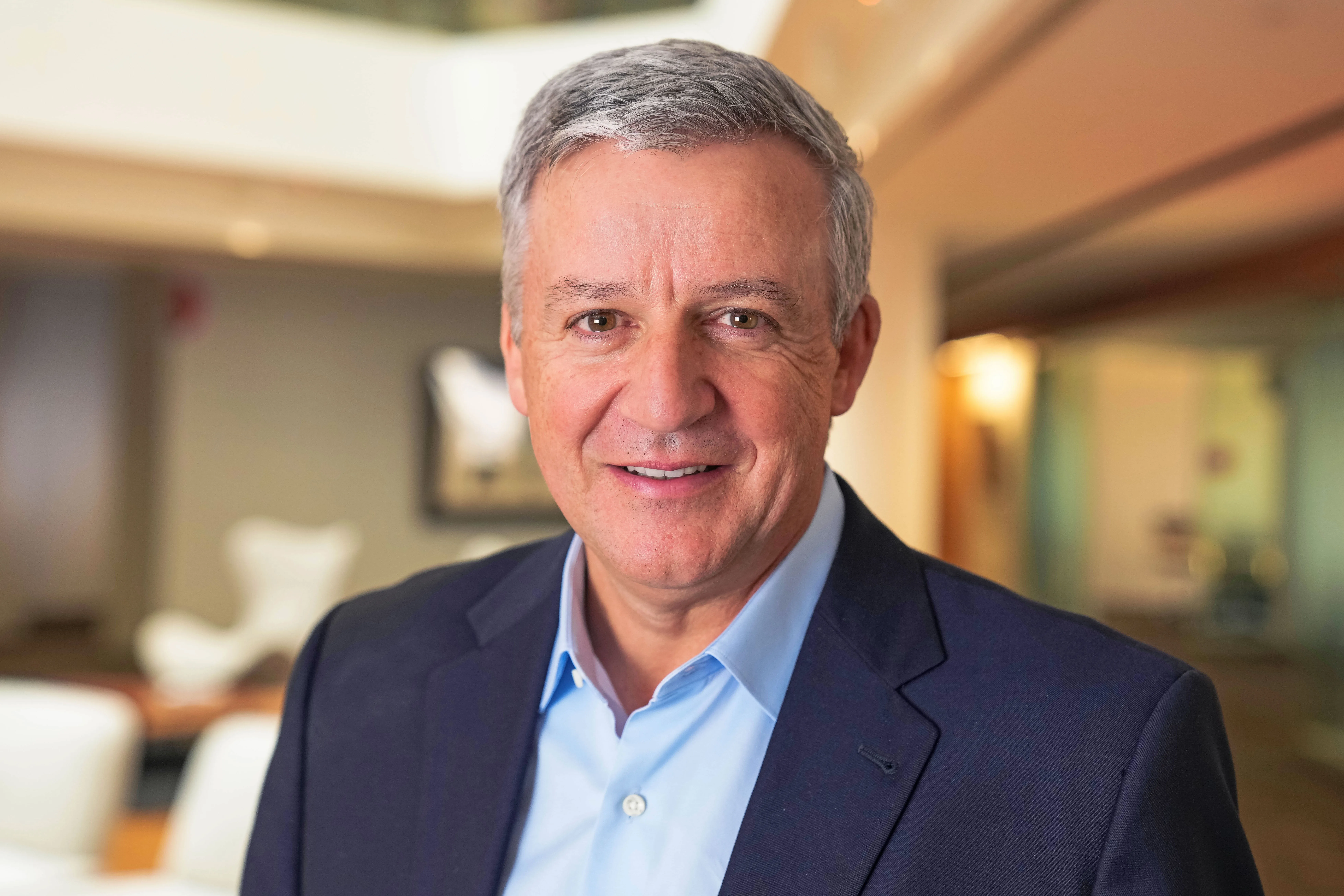
John Murphy
Coca-Cola

Damian Gammell
Thank you for contacting about this important issue.
Please share this campaign with your friends and family.
Distribute free #BoycottCocaCola leaflets outside your local Masjid after jummah on Friday 19 December
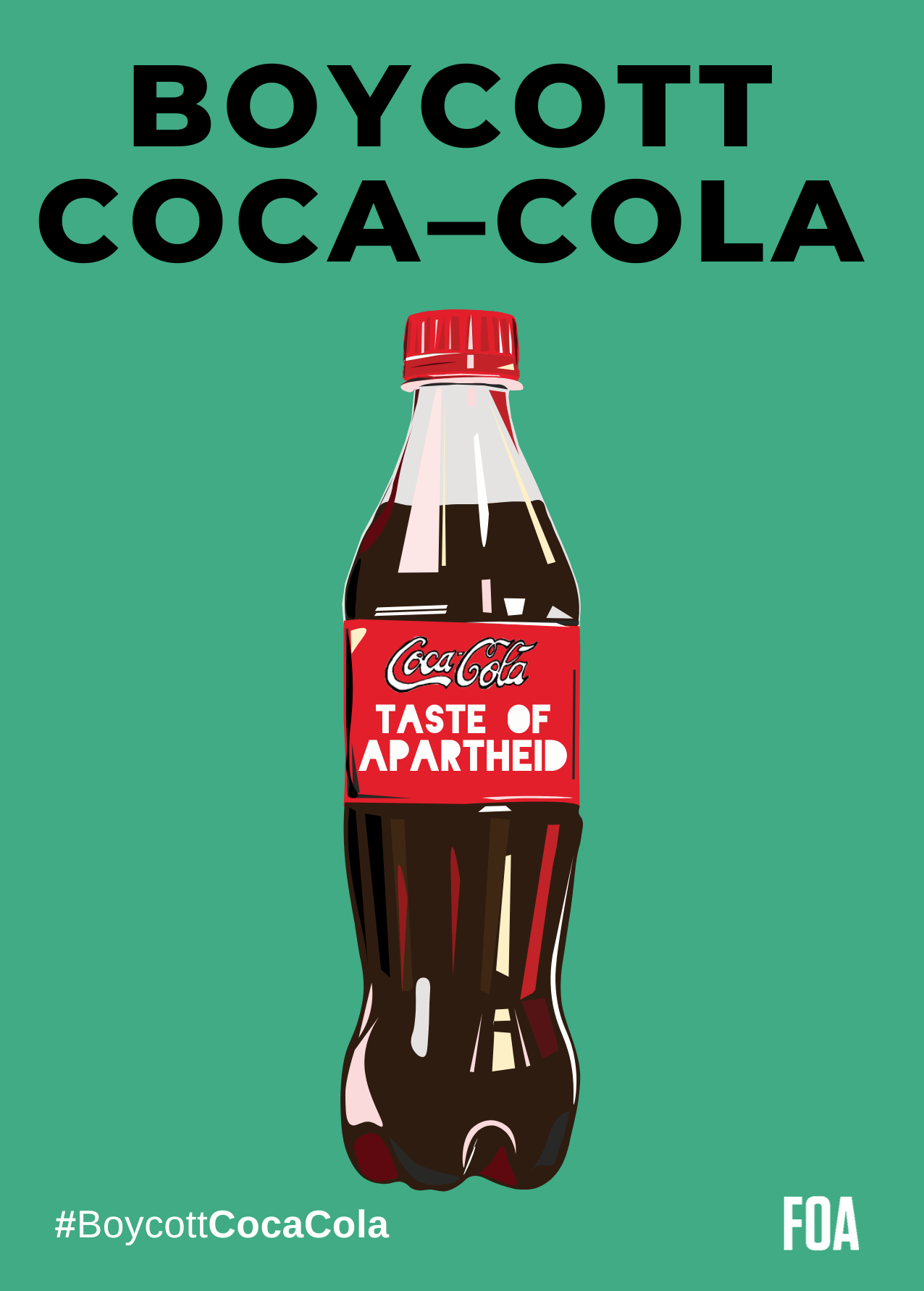
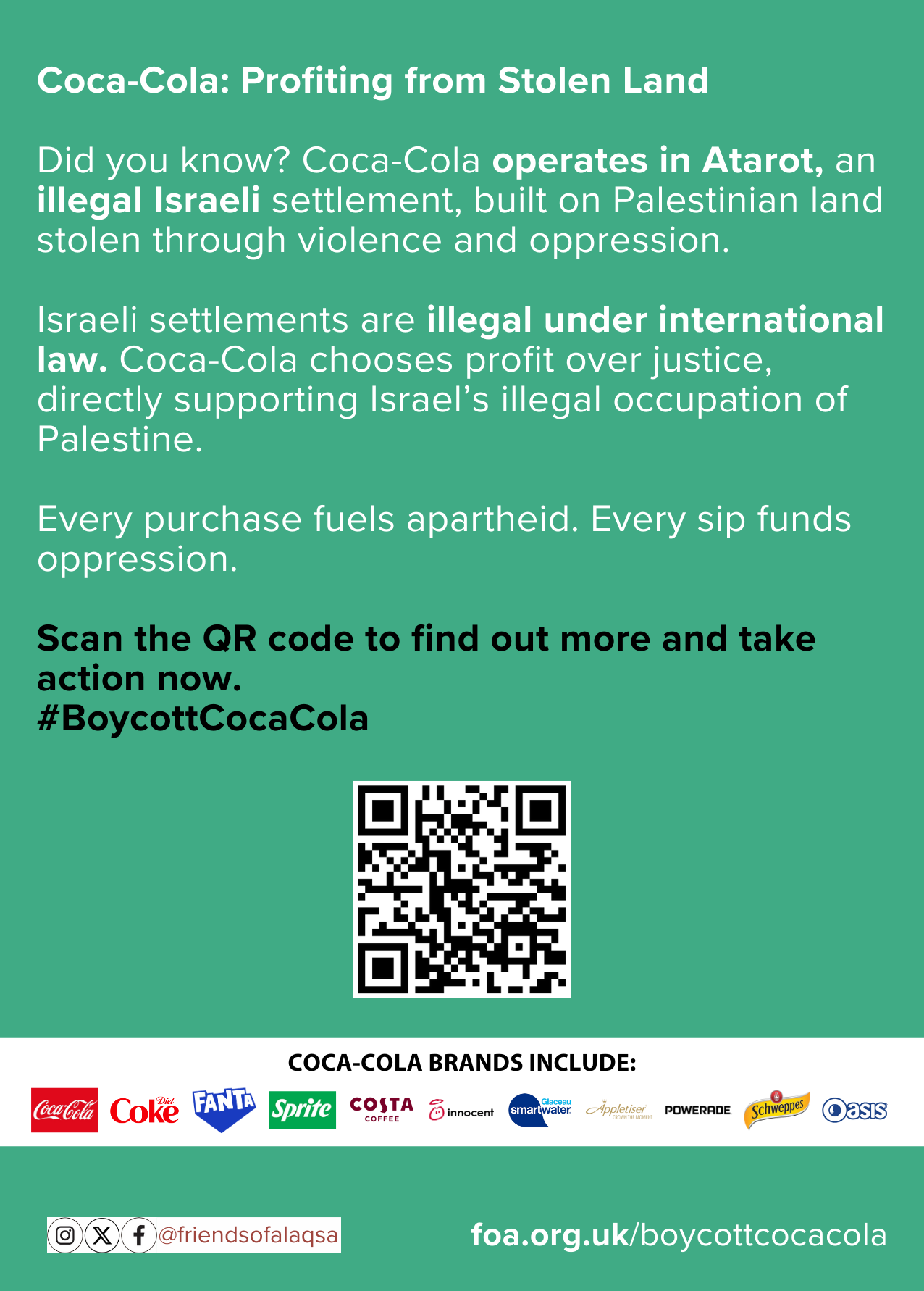
I pledge to boycott Coca-Cola for Palestine until it completely withdraws from Atarot illegal Israeli settlement.
I refuse to buy or serve Coca-Cola products while the company profits from the theft of Palestinian land and the oppression of the Palestinian people.
My boycott is a stand for justice, accountability, and freedom for the Palestinians. Coca-Cola must end its complicity in Israel’s illegal occupation and apartheid now.
.jpeg)
Here are frequently asked questions on #BoycottCocaCola
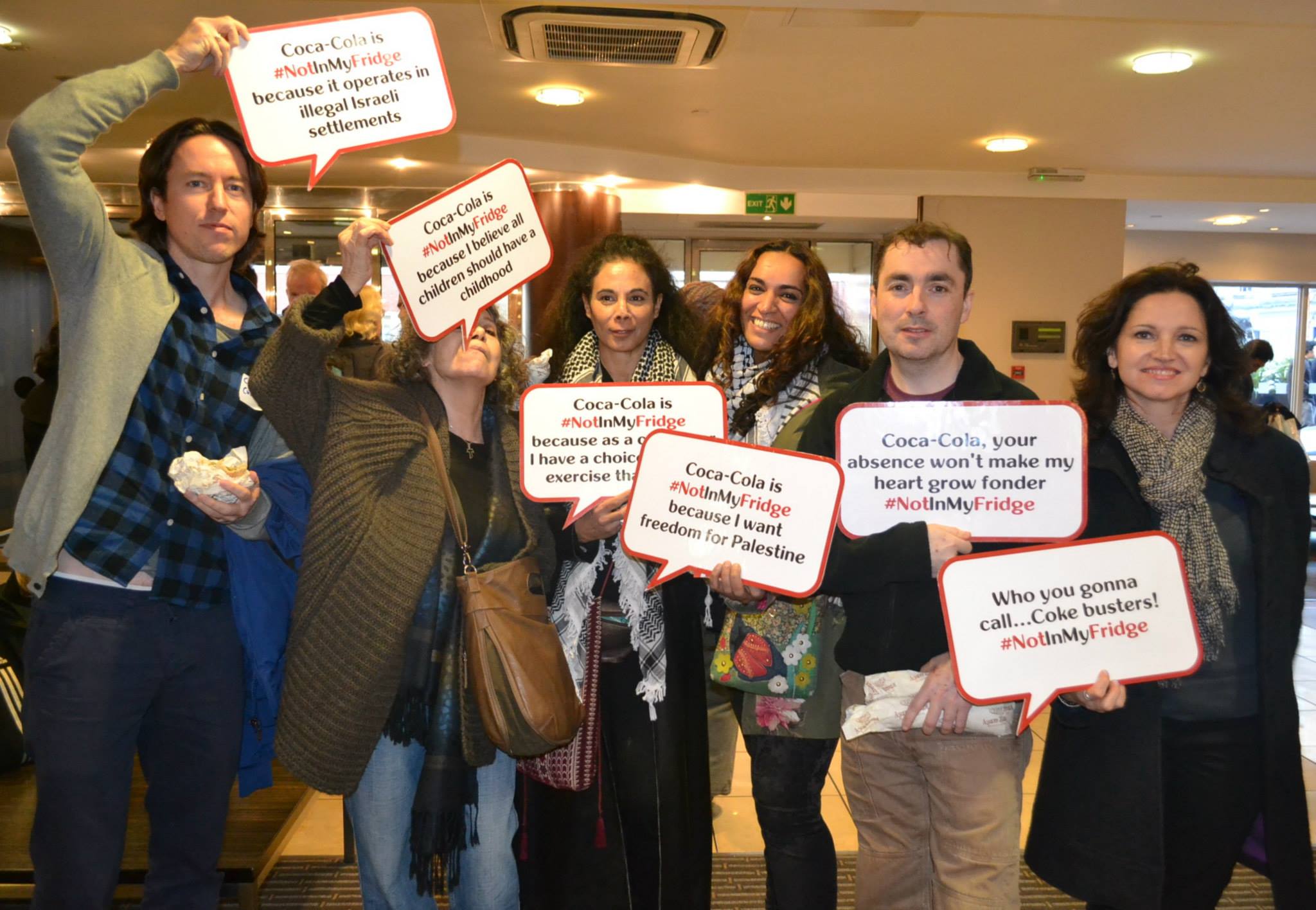
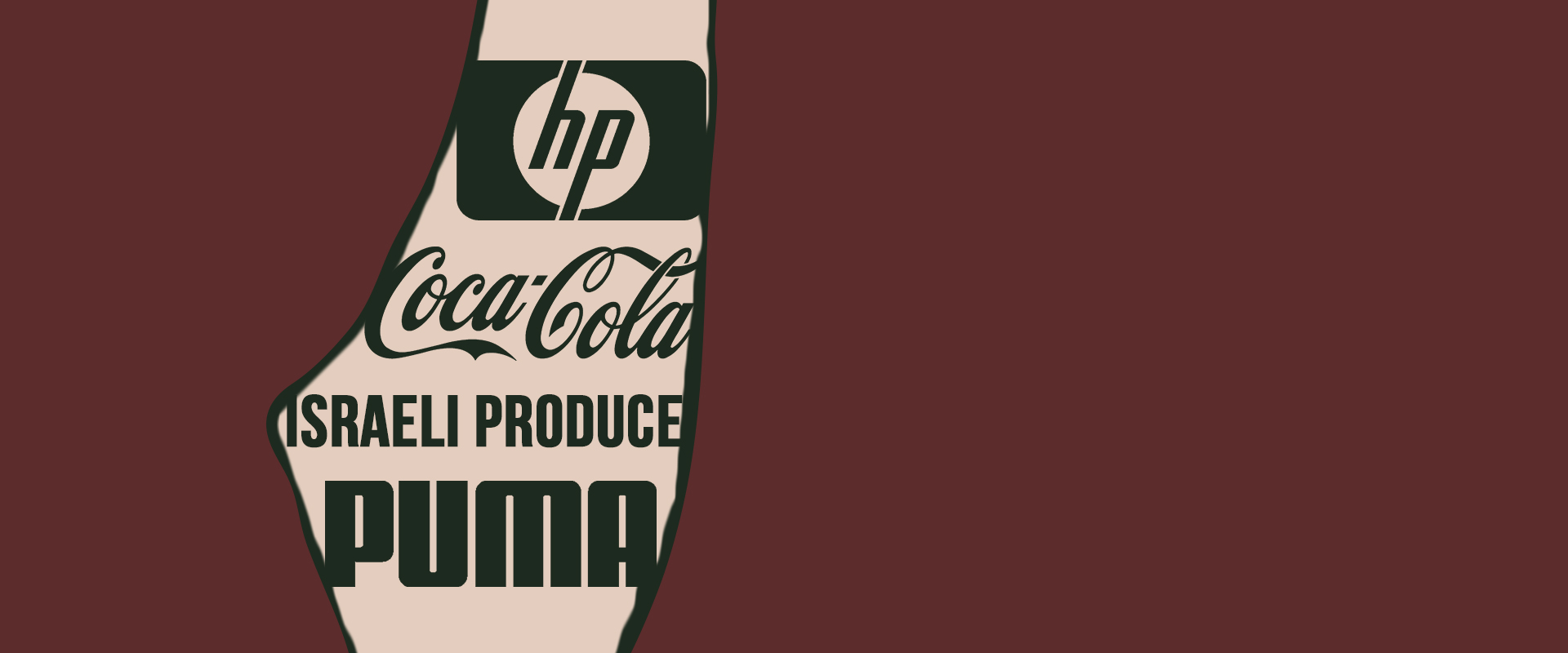
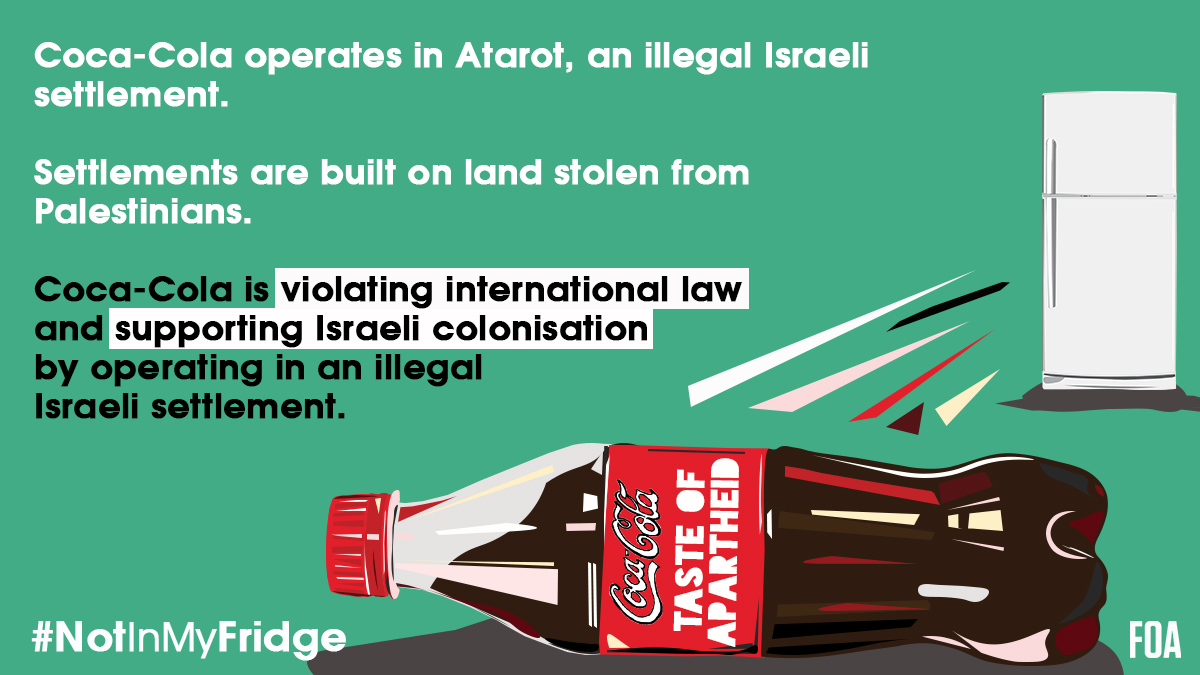
Through CBC (the Central Bottling Company), Coca-Cola operates in Atarot, an illegal Israeli settlement built on stolen Palestinian land.
For illegal Israeli settlements like Atarot to be built, Palestinian communities are forcibly removed from their homes and land. Israeli settlements like Atarot violate international law.
By operating in Atarot, Coca-Cola is ignoring international law and profiting from the illegal occupation of Palestine.
Settlements are Israeli communities built on stolen Palestinian land.
Pre-existing Palestinian communities are forcibly removed for settlements to be built and Palestinians are deprived of access to their homes and land.
This is illegal under international law.
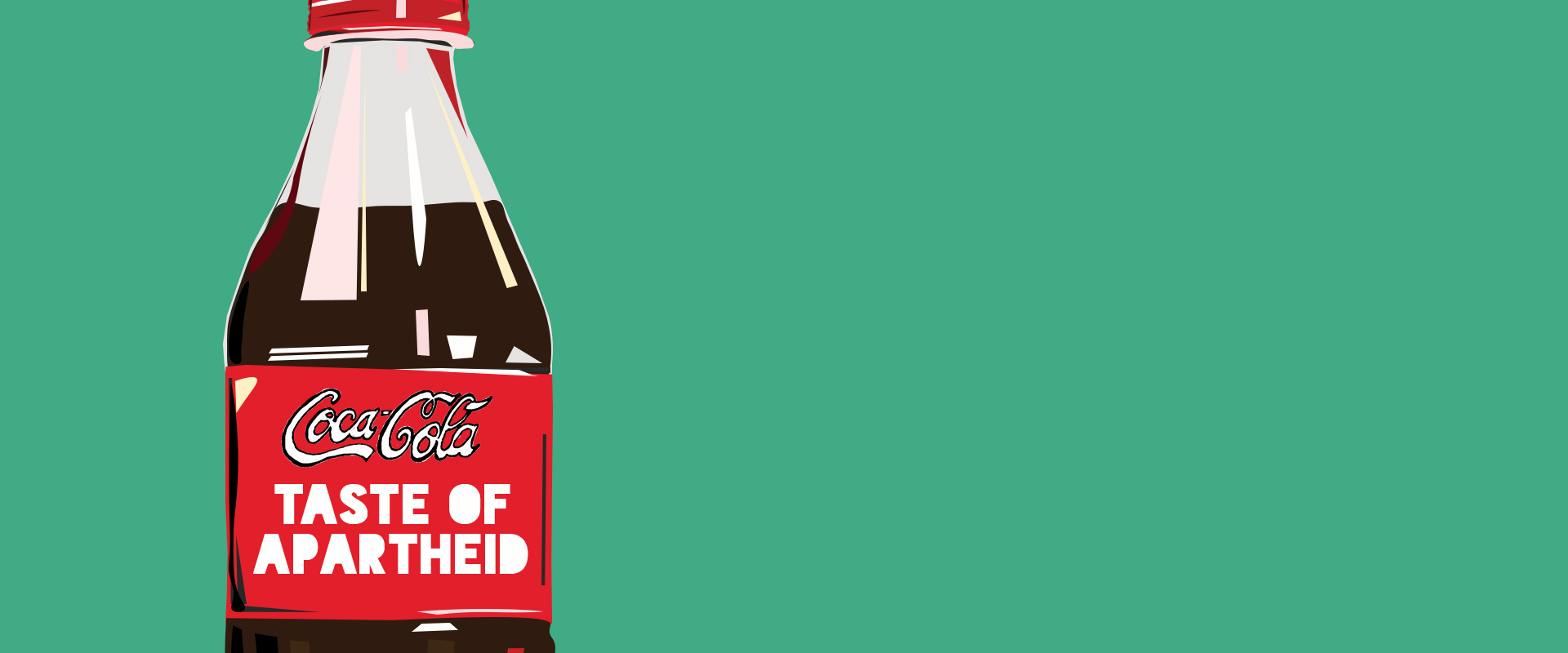
Because Coca-Cola is complicit in Israel’s illegal occupation and apartheid in Palestine.
The drinks company operates in Atarot, an illegal Israeli settlement built on land that Israel has stolen from Palestinians, in violation of international law.
Boycotting Coca-Cola is a powerful way to put pressure on the drinks company to stop operating on stolen Palestinian land.
You can write to Coca-Cola CEO James Quincey, asking Coca-Cola to stop operating in illegal Israeli settlements on stolen Palestinian land.
By operating in Atarot, Coca-Cola is ignoring international law and profiting from the illegal occupation of Palestine.
Coca-Cola has a major plastics problem. It has been ranked as the world’s worst plastic polluter for a third year running in Break Free From Plastics annual audit. In the 51 of 55 nations surveyed, Coca-Cola’s branding was found on 13,834 pieces of plastic across beaches, rivers, parks and communities across the globe. It has an annual plastic footprint of 2.9million tonnes. Break Free From Plastic found Coca-Cola bottles were by far the worst offender.
Coca-Cola has been accused of dehydrating communities in its pursuit of water resources. Coca-Cola say without water, making the beverage wouldn’t be possible. It takes almost three litres of water to make one litre of Coca-Cola. To meet its needs Coca-Cola has increasingly taken over aquifers from communities around the world, leaving groundwater dry for agriculture and having locals walk further to collect water for drinking. This has been well documented in many communities globally such as in India and El Salvador. Further, Coca-Cola’s plans to give back water to the communities has come under fire as an exaggeration and not even covering more than a “very small percentage” of its water footprint.
Here are questions we posed in 2014 when a Coca-Cola factory was opened in Gaza. These questions are completely relevant today.
1. Where are these construction materials being purchased? We believe it’s Israel so isn’t Coca-Cola simply supporting the Israeli economy to a far greater tune than the Palestinian economy?
– Raw materials such as sugar will be purchased from Israel, thereby enriching the Israeli economy.
2. How much water is required to run the bottling plant and where will water come from?
– Palestinians in Gaza face a chronic shortage of freshwater, and rely on desalination plants. Reports from around the world show that communities living around Coca-Cola bottling plants are adversely affected by water shortages due to Coke’s demands on the water infrastructure.
– The World Bank has reported on the dire state of the water and sewage infrastructure in Gaza following Israel’s various attacks. Access to water is limited on average to 6-8 hours for 1-4 days a week for the population of Gaza.
In light of these statistics, how does Coca-Cola plan to operate its factory? And will the factory divert vital resources from Palestinian families, while drawing a profit from its products?
3. Where will the factory’ electricity supply come from?
-The only power plant in Gaza is only able to supply 30% of the population intermittently, leaving 1.2million Palestinians in darkness. Hospitals continue to run on emergency generators.
4. Will Coke be given preferential access to water and electricity, which will disadvantage Palestinian civilians and hospitals?
-The indications are that it will, and this is indicated by the passage of materials into Gaza to build the factory, while essential building materials for hospitals are barred.
5. As predicted Israel has now bombed the factory during the May 2021 bombardment on Gaza.
What guarantees has Israel provided that it won’t bomb the Coca Cola factory? Israel has a track record of destroying businesses in Gaza. Before the blockade in 2006, 3,600 factories operated in Gaza. Now, there are less than a hundred.
– Israel bombed a biscuit factory in Gaza which employed 450 people, leaving them unemployed. Can Coca Cola guarantee that its 400 workers won’t be left in a similar position?
6. Coke’s investments in the West Bank and Gaza are dwarfed by its economic activity in Israel. At present, Coca Cola is profiting from the occupation by abiding by Israel’s occupation regime.
‘If Coca-Cola is serious about investing in the Palestinian economy, it will call for a lifting of the siege on Gaza so that its operation there can really flourish and provide Palestinians with more than jobs, but with future economic prospects – as it is doing for Israel.’ said Shamiul Joarder, Head of Public Affairs at FOA.
A related article worth reading: Click here
Story so far.
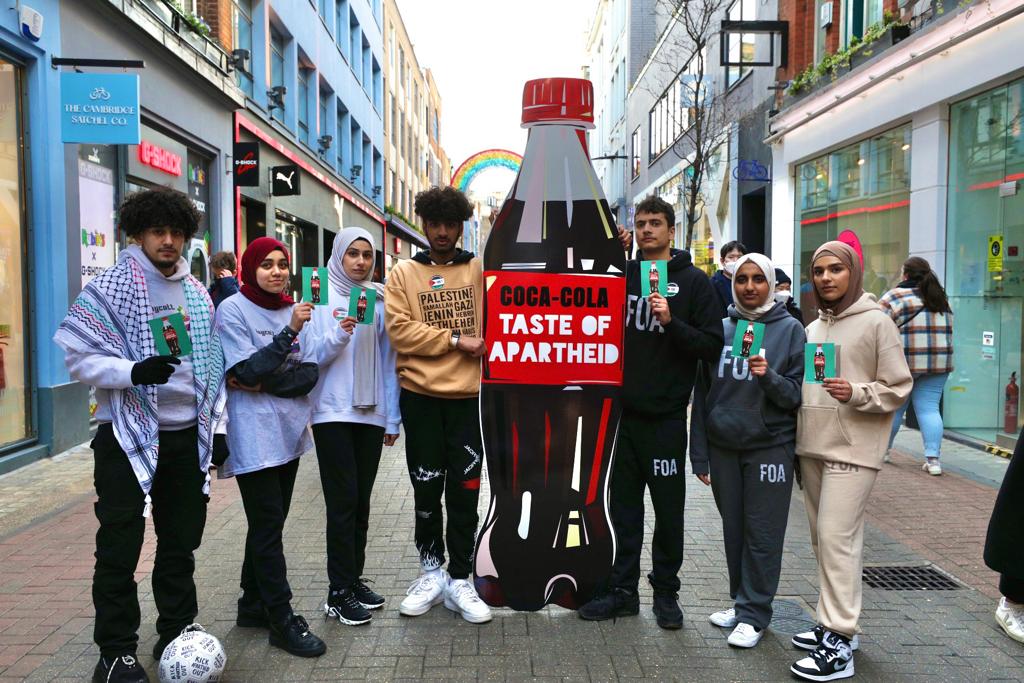
Friends of Al-Aqsa have been campaigning for the boycott of Coca-Cola for over two decades. We’ve had multiple successes with the campaign, with local businesses across the country refusing to sell Coke.
Targeted boycott campaigns like this one are powerful because they apply sustained pressure to specific corporations complicit in injustice
By campaigning to boycott Coca-Cola, we increase the impact of our individual actions and turn it into a united, clear message: no company should profit from apartheid.
Join our growing movement to boycott Coca-Cola for a free Palestine.
TAKE ACTION:
Email the Coca-Cola CEO
Demand that the company ends all operations inside illegal Israeli settlements. Every email adds pressure.
Join the National Day of Action outside your local Costa Coffee
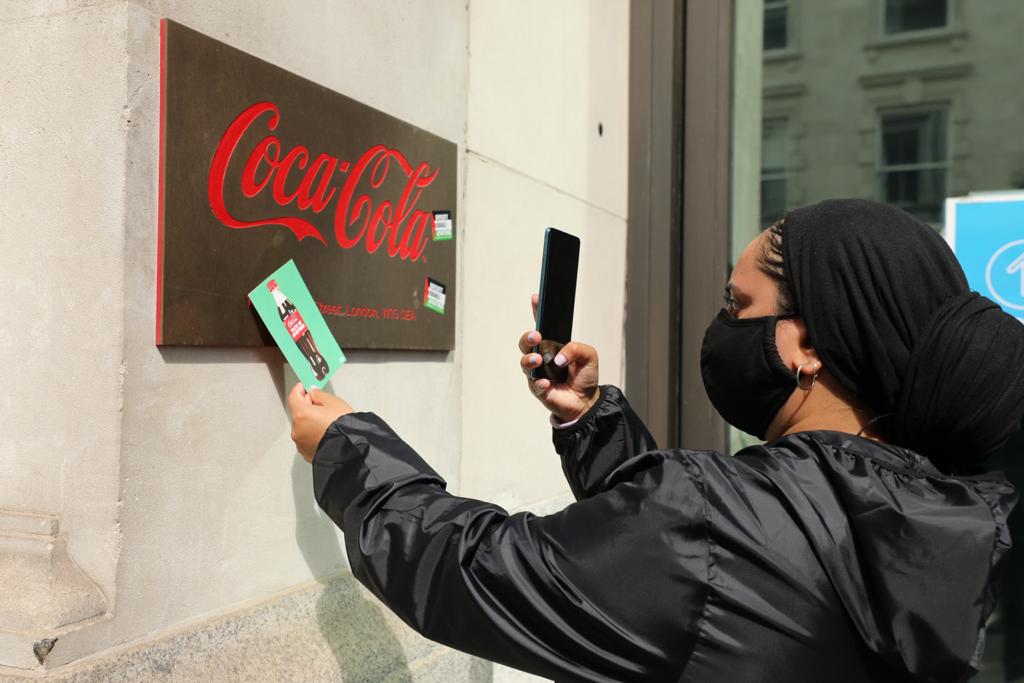
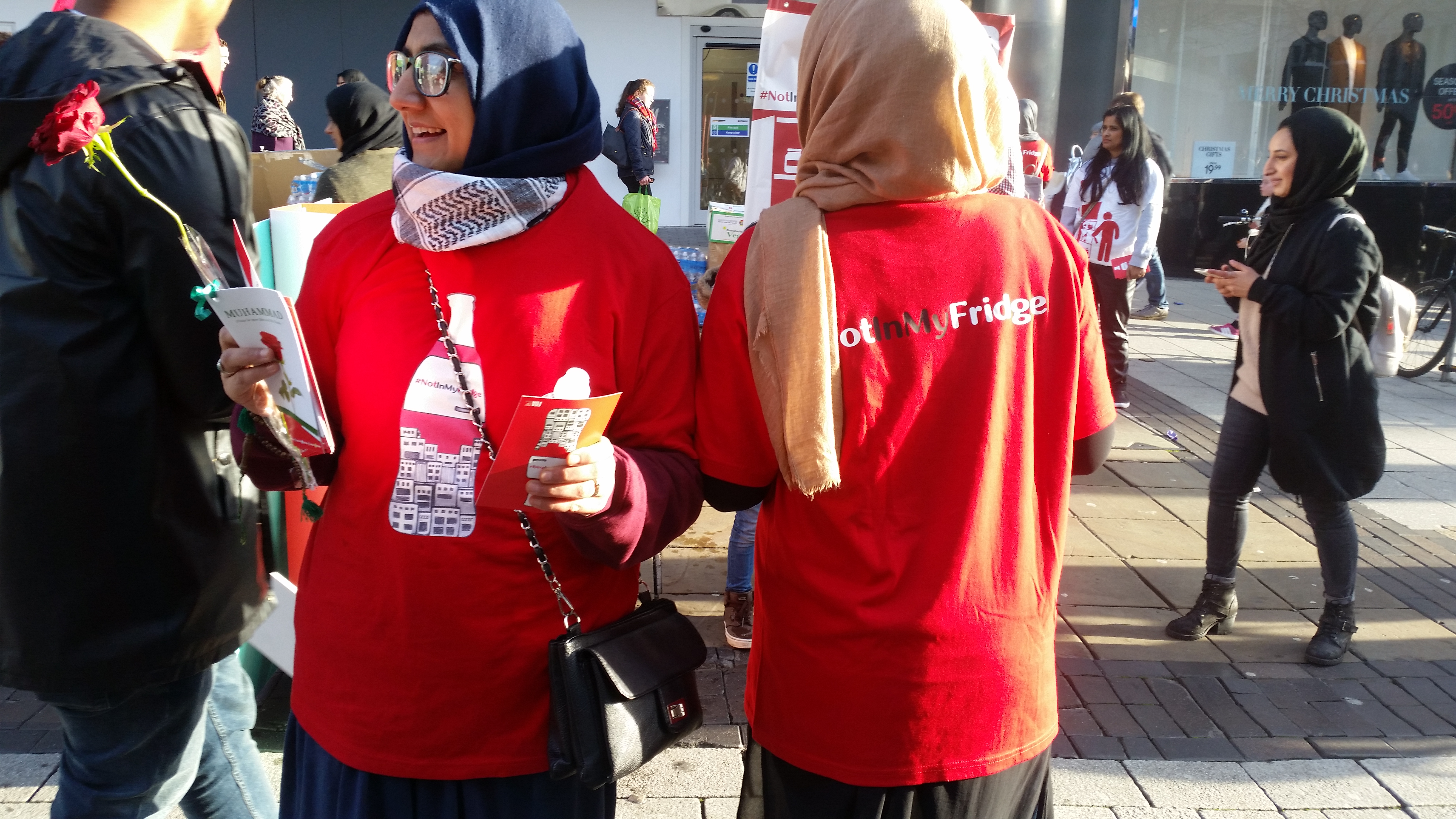
On Saturday 13 December, we’re asking everyone to stage a rally outside your local Costa Coffee (owned by Coca-Cola) and distribute leaflets encouraging the public to #BoycottCocaCola. (Order leaflets by clicking on the ''distribute'' button above).
Join the mosque action
On Friday 19 December, distribute leaflets outside your local masjid. post-Jumuah prayers. (Order leaflets by clicking on the ''distribute'' button above).
Rally outside the Coca-Cola truck
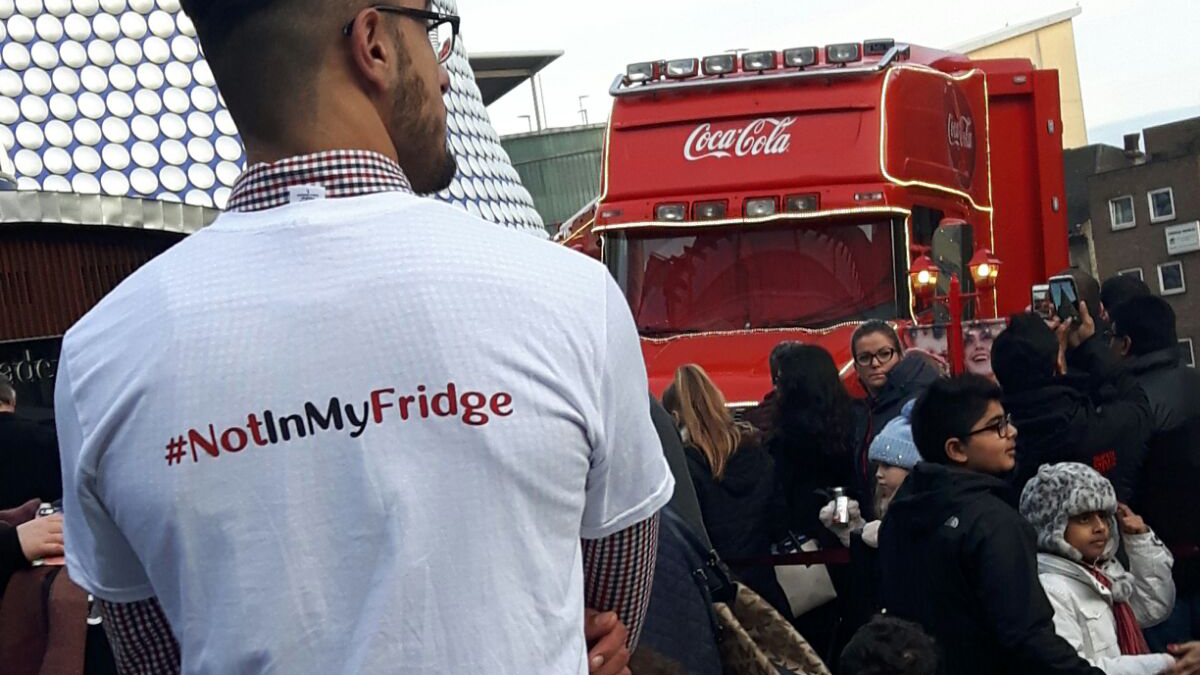
The 14th Coca-Cola Truck Tour will take place this year. Locations for its stops are released at the very last minute. Let others know that Coca-Cola profits from genocide and apartheid by distributing leaflets outside the truck. (Order leaflets by clicking on the "distribute" button above).
Sign the pledge
Sign your pledge to boycott Coca-Cola from now. (You can do this by clicking on the ''pledge'' button above). Don’t buy it for family or friends, don’t serve it at events, cut Coca-Cola from your life.
What is Coca-Cola’s role in Israel's occupation?
Coca-Cola has a factory in Atarot, an illegal Israeli settlement built on stolen Palestinian land. Palestinian communities are forcibly removed for these settlements to be built. This is illegal under international law.
By operating in the illegal Israeli settlement of Atarot, Coca-Cola is ignoring international law and profiting from the illegal occupation of Palestine.
The growth of #BoycottCocaCola
There are currently up to 750,000 Israeli settlers living in at least 250 illegal Israeli settlements across the occupied West Bank and East Jerusalem. By drinking Coca-Cola, we as consumers are turning a blind eye to the illegal occupation of Palestine.
In 2022, American food company General Mills, which produces a range of brands, announced it was divesting from Atarot as a direct result of pressure from human rights groups, activists and others. General Mills is a massive company, so with our collective pressure and effort, we can achieve the same incredible result with Coca-Cola.
This campaign has grown tremendously since Friends of Al-Aqsa launched it over 20 years ago. The international community and organisations have joined the movement to boycott Coca-Cola until it stops operating in Atarot. Collectively, we can take on one of the biggest brands and leave a powerful message that anyone can be held accountable for being complicit in the occupation of Palestine. This is why targeted boycotts are so important — they apply more attention and pressure on specific companies.
Let’s keep up the pressure on Coca-Cola to stop operating in Atarot! Join the movement to #BoycottCocaCola.
Importantly, Coca-Cola is more than just the red can. It owns several brands that must also be boycotted, including:
Diet Coke
Costa Coffee
Fanta
Sprite
Smartwater
Schweppes
Innocent Drinks
Appletiser
Powerade
Oasis
Campaign gallery